
Whether tackling a weekend DIY project, constructing custom-made furniture, or carrying out a huge home remodelling, having the best devices changes everything. Power tools have revolutionized how we approach building and construction and crafts, turning exhausting manual work into effective, precise work.
Nevertheless, strolling down the tool aisle or browsing online can be frustrating. With countless brands, voltage alternatives, and specialized gadgets offered, knowing where to start is important. This comprehensive guide checks out the necessary power tools every DIYer and house owner ought to know, how to pick in between them, and the principles of security.
Before buying a collection of equipment, purchasers must make a basic choice regarding power sources: corded or cordless? Both options offer distinct benefits depending on the user's needs.
| Function | Corded Power Tools | Cordless Power Tools |
|---|---|---|
| Power Output | Constant, endless power; ideal for heavy-duty jobs. | Highly advanced, but power depends on battery capacity and voltage. |
| Portability | Minimal by cord length and proximity to electric outlets. | Ultimate mobility; can be utilized anywhere, consisting of remote locations. |
| Weight | Usually lighter due to the fact that there is no heavy battery connected. | A little heavier due to the battery pack, though modern-day lithium-ion batteries are rather light. |
| Maintenance | Very little maintenance; plug in and go. | Batteries degrade gradually and need appropriate charging and storage. |
| Best For | Workshop usage, durable demolition, and continuous grinding/sawing. | Quick repairs, outdoor projects, overhead work, and mobility. |
For most modern-day DIYers, cordless systems have actually ended up being the gold standard. Thanks to improvements in lithium-ion battery innovation, modern cordless tools match (and sometimes exceed) the performance of their corded predecessors, all while permitting users to share batteries throughout an entire environment of tools.
Building a tool collection does not happen overnight. Instead of buying whatever simultaneously, novices must start with the core trio that can misuse 80% of household jobs.
If a user can only own one power tool, it should be the drill/driver. This versatile gadget deals with 2 primary functions: drilling holes into wood, metal, and plastic, and driving screws.
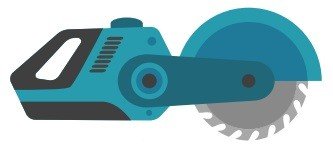
When it concerns cutting wood, sheets of plywood, or MDF down to size, the circular saw is the undeniable king of speed and performance. It is portable, effective, and capable of straight crosscuts and rip cuts.
Hand sanding bores and stressful. A random orbital sander uses a spinning and wobbling motion to rapidly smooth out rough lumber, get rid of old paint, and prep surfaces for staining or painting without leaving heavy swirl marks.
As soon as the fundamentals are mastered, specialized tools can raise workmanship to the next level.
Power tools make work quicker, however they require regard. A temporary lapse in judgment can cause severe injury. Follow these vital safety standards whenever you go into the workshop:
Purchasing quality power tools is an investment in self-sufficiency and creativity. By understanding the distinctions between corded and cordless alternatives, beginning with a solid structure of vital tools, and strictly adhering to safety standards, anybody can change their home and bring ambitious innovative visions to life.
Take your time looking into, select reputable brands within your budget plan, and always measure two times before you cut!
For basic home DIY tasks, 12V to 18V/20V Max tools provide the best balance of power and weight. 12V tools are compact and excellent for tight spaces, while 18V/20V tools are the market standard for heavier work and longer runtimes. Sturdy building specialists often use 36V or 60V systems, which are usually overkill for standard home jobs.
To take full advantage of battery life expectancy, prevent storing them in extreme temperatures (like a freezing garage or a hot automobile in summer). Do not let lithium-ion batteries drain totally to 0% regularly; charge them when you notice a drop in performance. If keeping tools for the winter, keep batteries at approximately a 50% charge in a climate-controlled space.
Yes, absolutely. Brushless motors utilize magnets to create power instead of physical carbon brushes. This creates less friction, resulting in tools that run cooler, last longer, offer more torque, and squeeze substantially more runtime out of every battery charge.
 https://www.powertoolsonline.uk/
